

The Timeless Appeal of the American Farmhouse
By Kerri-Lee Mayland
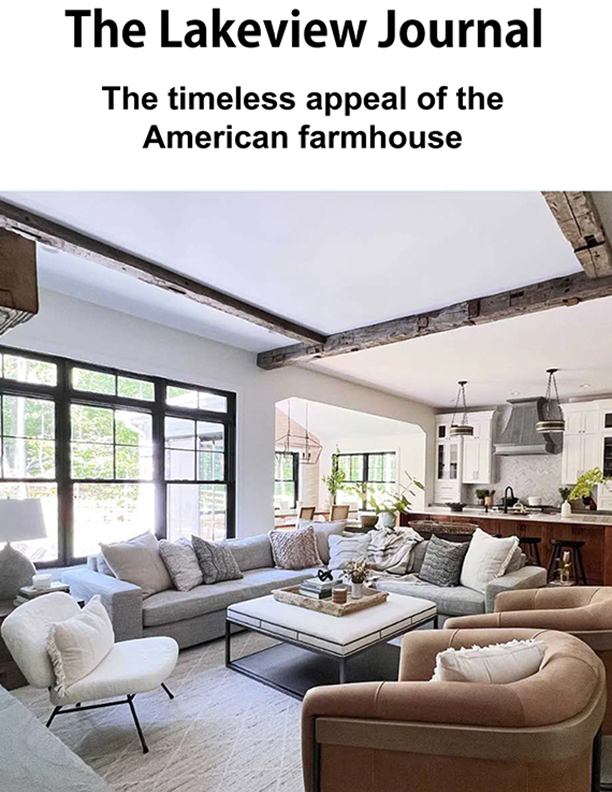
The best farmhouse spaces feel rooted in warmth and history, even when they’re newly built.
— Tina Anastasia
They dot the landscape, standing beside winding country roads and rolling fields, their silhouettes as recognizable as church steeples and old stone walls. For hundreds of years, the American farmhouse has held an important place in the country’s architectural history, especially in New England, where these homes feel deeply connected to the land itself.
Their enduring appeal may have less to do with the trends farmhouse style inspired and more to do with the comfort these homes create. Farmhouses offer a sense of warmth and authenticity, along with a design style that feels approachable rather than forced.
Maybe it is the worn stone paths leading to the back door, the creaky screen doors or the perennial gardens that grow a little wilder every year. Or perhaps it is the everyday, useful objects gathered naturally over time — mismatched chairs, weathered tables and open shelving lined with practical pieces never intended to be decorative.
Whatever the reason, authentic farmhouse style continues to resonate even as the mass-produced version of the trend fades from design circles, chain stores and Pinterest boards.
Classic farmhouse design has endured for hundreds of years because it was never rooted in excess or perfection. Authentic farmhouse homes were built around practicality, comfort and resourcefulness — qualities that naturally made the style budget-friendly long before DIY projects and “the collected look” became part of the design conversation. Furniture was repaired instead of replaced, family pieces were reused for decades, and simple materials like wood, stone and iron aged beautifully over time.
The more recent mass-market version of farmhouse style often turned those authentic elements into a formula. Barn doors, overly distressed furniture, word signs like “Fresh Eggs,” and factory-made “rustic” decor flooded stores and social media feeds. What once felt collected and organic eventually became overly themed and predictable.
Now, many homeowners seem to be gravitating back toward spaces with more individuality and character — homes that feel layered, lived-in and connected to real life rather than carefully staged.
Historically, New England farmhouses were designed around utility and survival. Large kitchens served as gathering places and workspaces. Mudrooms handled snowy boots and muddy shoes after chores. Wide porches offered a place to gather after long days outdoors, while barns, sheds and stone walls became extensions of daily life on the land.
That practicality still resonates today.
Some of the most timeless farmhouse details are the ones that cannot be replicated overnight: a scratched pine table handed down through generations; vintage crocks discovered in an old barn; worn baskets from the town dump swap shop; iron hooks, enamelware and garden furniture softened by years of New England weather.
Interior designer Tina Anastasia offers ways to create a more classic farmhouse design.
“The best farmhouse spaces feel rooted in warmth and history, even when they’re newly built,” Anastasia said.
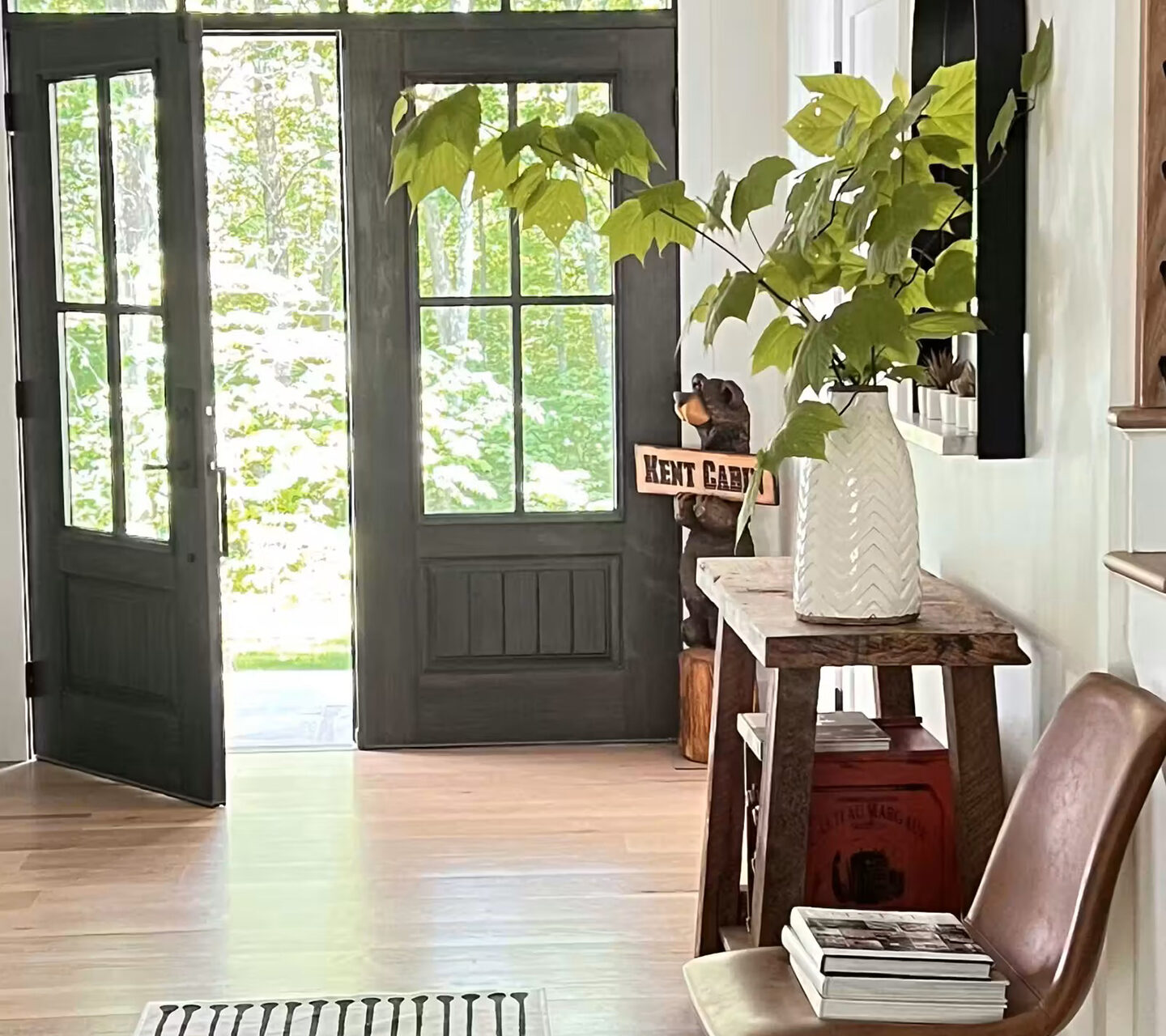
For a farmhouse project she designed in Kent, Connecticut, Anastasia layered weathered stone, antique barnboard and touches of plaid and metal to make the home feel connected to its surroundings.
“It’s all about bringing in materials that contrast with the newness of a space and give it depth and character,” she said.
According to Anastasia, farmhouse style works best when homeowners steer away from trends and focus instead on unique finds with texture, age and practicality.
“These are the pieces that will give the home soul,” she said. “Not everything should look brand new.”
Farmhouses were never created to follow trends or become one; they evolved gradually over generations, building layers of history along the way.
By Kerri-Lee Mayland
The best farmhouse spaces feel rooted in warmth and history, even when they’re newly built.
— Tina Anastasia
They dot the landscape, standing beside winding country roads and rolling fields, their silhouettes as recognizable as church steeples and old stone walls. For hundreds of years, the American farmhouse has held an important place in the country’s architectural history, especially in New England, where these homes feel deeply connected to the land itself.
Their enduring appeal may have less to do with the trends farmhouse style inspired and more to do with the comfort these homes create. Farmhouses offer a sense of warmth and authenticity, along with a design style that feels approachable rather than forced.
Maybe it is the worn stone paths leading to the back door, the creaky screen doors or the perennial gardens that grow a little wilder every year. Or perhaps it is the everyday, useful objects gathered naturally over time — mismatched chairs, weathered tables and open shelving lined with practical pieces never intended to be decorative.
Whatever the reason, authentic farmhouse style continues to resonate even as the mass-produced version of the trend fades from design circles, chain stores and Pinterest boards.
Classic farmhouse design has endured for hundreds of years because it was never rooted in excess or perfection. Authentic farmhouse homes were built around practicality, comfort and resourcefulness — qualities that naturally made the style budget-friendly long before DIY projects and “the collected look” became part of the design conversation. Furniture was repaired instead of replaced, family pieces were reused for decades, and simple materials like wood, stone and iron aged beautifully over time.
The more recent mass-market version of farmhouse style often turned those authentic elements into a formula. Barn doors, overly distressed furniture, word signs like “Fresh Eggs,” and factory-made “rustic” decor flooded stores and social media feeds. What once felt collected and organic eventually became overly themed and predictable.
Now, many homeowners seem to be gravitating back toward spaces with more individuality and character — homes that feel layered, lived-in and connected to real life rather than carefully staged.
Historically, New England farmhouses were designed around utility and survival. Large kitchens served as gathering places and workspaces. Mudrooms handled snowy boots and muddy shoes after chores. Wide porches offered a place to gather after long days outdoors, while barns, sheds and stone walls became extensions of daily life on the land.
That practicality still resonates today.
Some of the most timeless farmhouse details are the ones that cannot be replicated overnight: a scratched pine table handed down through generations; vintage crocks discovered in an old barn; worn baskets from the town dump swap shop; iron hooks, enamelware and garden furniture softened by years of New England weather.
Interior designer Tina Anastasia offers ways to create a more classic farmhouse design.
“The best farmhouse spaces feel rooted in warmth and history, even when they’re newly built,” Anastasia said.
For a farmhouse project she designed in Kent, Connecticut, Anastasia layered weathered stone, antique barnboard and touches of plaid and metal to make the home feel connected to its surroundings.
“It’s all about bringing in materials that contrast with the newness of a space and give it depth and character,” she said.
According to Anastasia, farmhouse style works best when homeowners steer away from trends and focus instead on unique finds with texture, age and practicality.
“These are the pieces that will give the home soul,” she said. “Not everything should look brand new.”
Farmhouses were never created to follow trends or become one; they evolved gradually over generations, building layers of history along the way.
By Kerri-Lee Mayland
The best farmhouse spaces feel rooted in warmth and history, even when they’re newly built.
— Tina Anastasia
They dot the landscape, standing beside winding country roads and rolling fields, their silhouettes as recognizable as church steeples and old stone walls. For hundreds of years, the American farmhouse has held an important place in the country’s architectural history, especially in New England, where these homes feel deeply connected to the land itself.
Their enduring appeal may have less to do with the trends farmhouse style inspired and more to do with the comfort these homes create. Farmhouses offer a sense of warmth and authenticity, along with a design style that feels approachable rather than forced.
Maybe it is the worn stone paths leading to the back door, the creaky screen doors or the perennial gardens that grow a little wilder every year. Or perhaps it is the everyday, useful objects gathered naturally over time — mismatched chairs, weathered tables and open shelving lined with practical pieces never intended to be decorative.
Whatever the reason, authentic farmhouse style continues to resonate even as the mass-produced version of the trend fades from design circles, chain stores and Pinterest boards.
Classic farmhouse design has endured for hundreds of years because it was never rooted in excess or perfection. Authentic farmhouse homes were built around practicality, comfort and resourcefulness — qualities that naturally made the style budget-friendly long before DIY projects and “the collected look” became part of the design conversation. Furniture was repaired instead of replaced, family pieces were reused for decades, and simple materials like wood, stone and iron aged beautifully over time.
The more recent mass-market version of farmhouse style often turned those authentic elements into a formula. Barn doors, overly distressed furniture, word signs like “Fresh Eggs,” and factory-made “rustic” decor flooded stores and social media feeds. What once felt collected and organic eventually became overly themed and predictable.
Now, many homeowners seem to be gravitating back toward spaces with more individuality and character — homes that feel layered, lived-in and connected to real life rather than carefully staged.
Historically, New England farmhouses were designed around utility and survival. Large kitchens served as gathering places and workspaces. Mudrooms handled snowy boots and muddy shoes after chores. Wide porches offered a place to gather after long days outdoors, while barns, sheds and stone walls became extensions of daily life on the land.
That practicality still resonates today.
Some of the most timeless farmhouse details are the ones that cannot be replicated overnight: a scratched pine table handed down through generations; vintage crocks discovered in an old barn; worn baskets from the town dump swap shop; iron hooks, enamelware and garden furniture softened by years of New England weather.
Interior designer Tina Anastasia offers ways to create a more classic farmhouse design.
“The best farmhouse spaces feel rooted in warmth and history, even when they’re newly built,” Anastasia said.
For a farmhouse project she designed in Kent, Connecticut, Anastasia layered weathered stone, antique barnboard and touches of plaid and metal to make the home feel connected to its surroundings.
“It’s all about bringing in materials that contrast with the newness of a space and give it depth and character,” she said.
According to Anastasia, farmhouse style works best when homeowners steer away from trends and focus instead on unique finds with texture, age and practicality.
“These are the pieces that will give the home soul,” she said. “Not everything should look brand new.”
Farmhouses were never created to follow trends or become one; they evolved gradually over generations, building layers of history along the way.